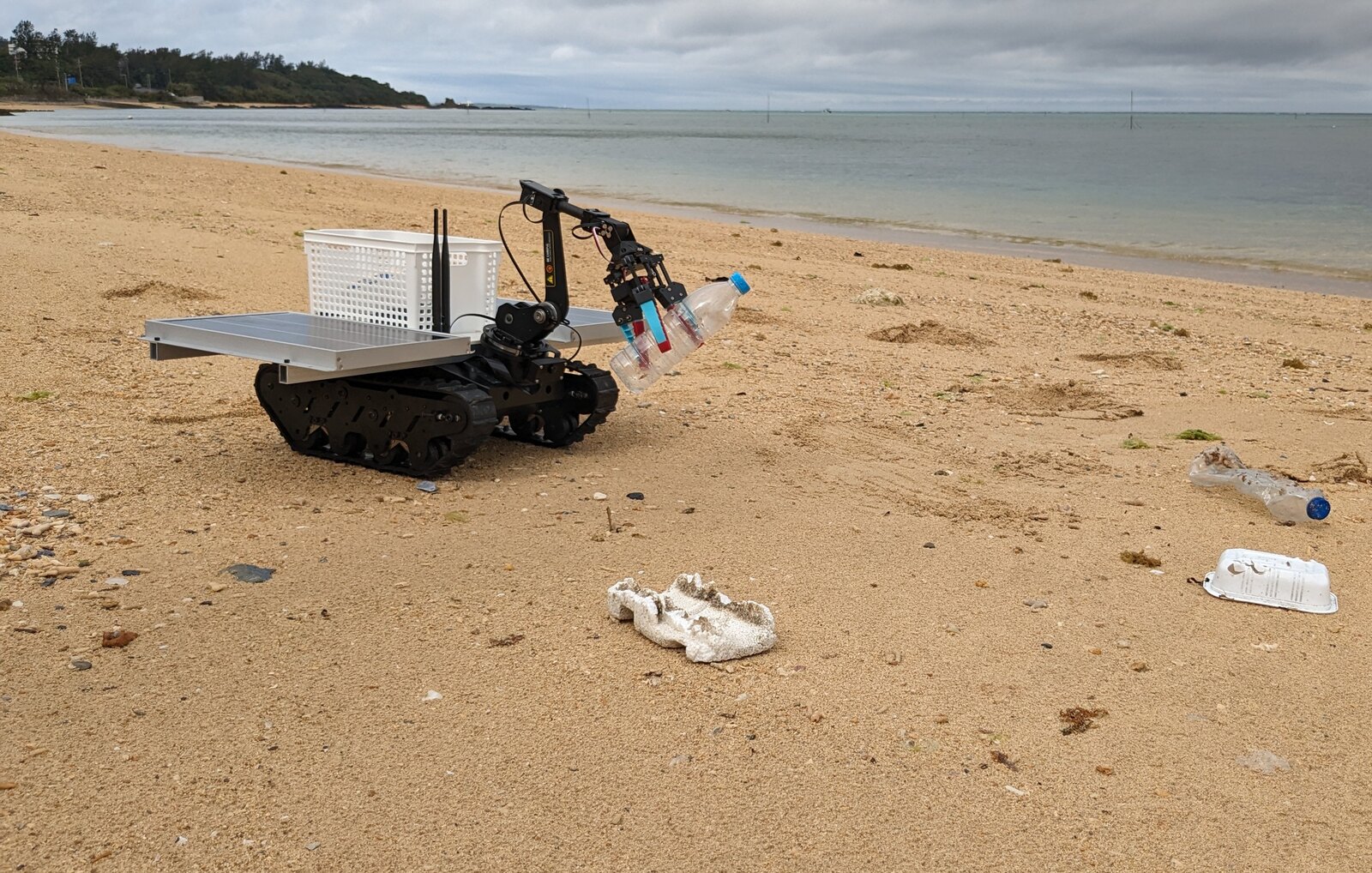
Applied Robotics
Public reference context includes beach-cleanup robotics and field demonstrations in Okinawa, alongside device and prototyping work across sensing, control, and mechanical integration.
From Idea To Working System
Tekkura helps take product, robotics, and device ideas from early concept into scoped builds, prototypes, and integrated technical systems. Software, firmware, hardware, AI applications, and 3D design can be handled within one engagement instead of split across separate vendors.
Public reference context includes beach-cleanup robotics and field demonstrations in Okinawa, alongside device and prototyping work across sensing, control, and mechanical integration.
Public Work Context
References span beach-cleanup robotics, smartphone robot platforms, haptic wearables, embedded devices, and CAD-linked prototyping.
What Gets Delivered
Scopes can center on feasibility, working prototypes, operator tools, subsystem integration, or field-ready technical demos.
Why This Model Works
One scoped engagement reduces handoffs across software, firmware, electronics, AI workflows, and mechanical design.
Who This Fits
This fits teams with an idea, research effort, early product concept, or operations problem that needs technical shape before a full in-house stack is in place.
How Engagements Are Scoped
Engagements can be framed around a prototype goal, feasibility milestone, subsystem integration problem, or working demo. Where boundaries are clear, fixed-scope work can keep planning and budgeting straightforward.
Work Scope
Each area can be discussed on its own. In practice, the value is being able to combine them inside one project without passing work between multiple shops.
Software
Useful when a project needs a mobile app, device workflow, orchestration layer, or control interface tied to sensors, actuators, or robot behavior.
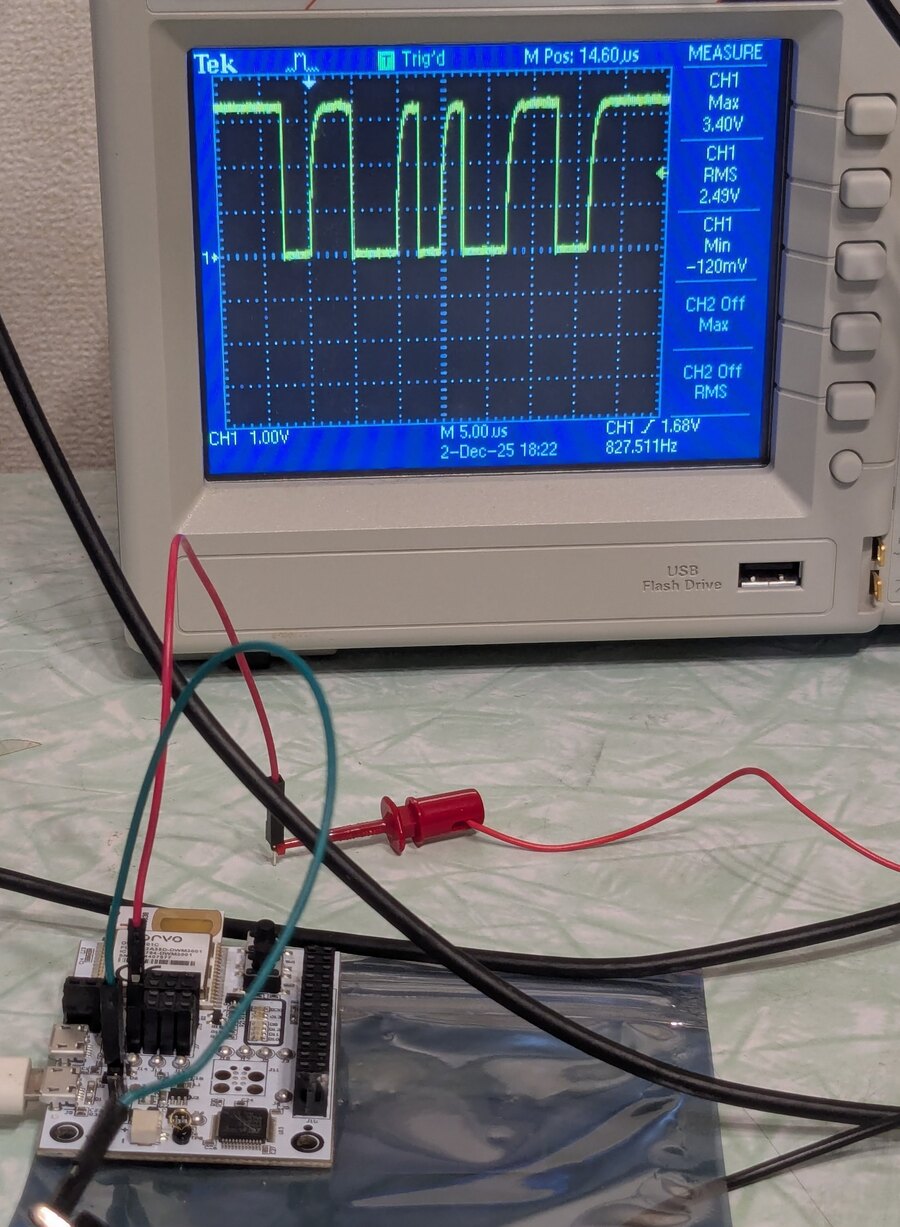
Public reference context includes an Android robotics framework with sensor streams, wheel control, state/action abstractions, example apps, and pub/sub messaging for robot-side development.
Typical scope output
Firmware
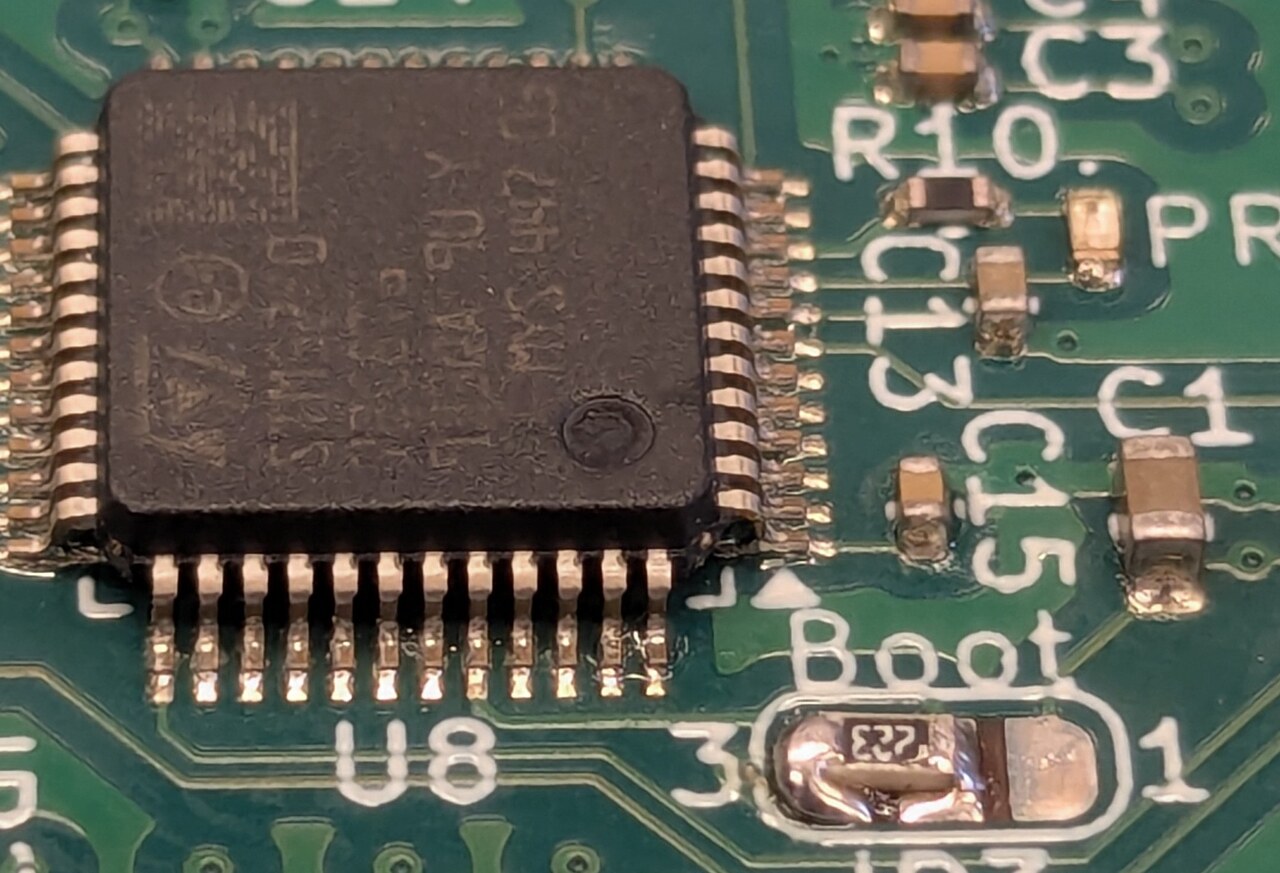
Useful when hardware needs reliable flashing, peripheral control, communication bring-up, or a testable path from board to working behavior.
Public reference context includes RP2040-based smartphone robot firmware, wearable-device firmware, and low-level actuator driver work.
Typical scope output
Hardware
Useful when a concept needs to become a real device with workable power, modules, connectors, cameras, or maintenance access.
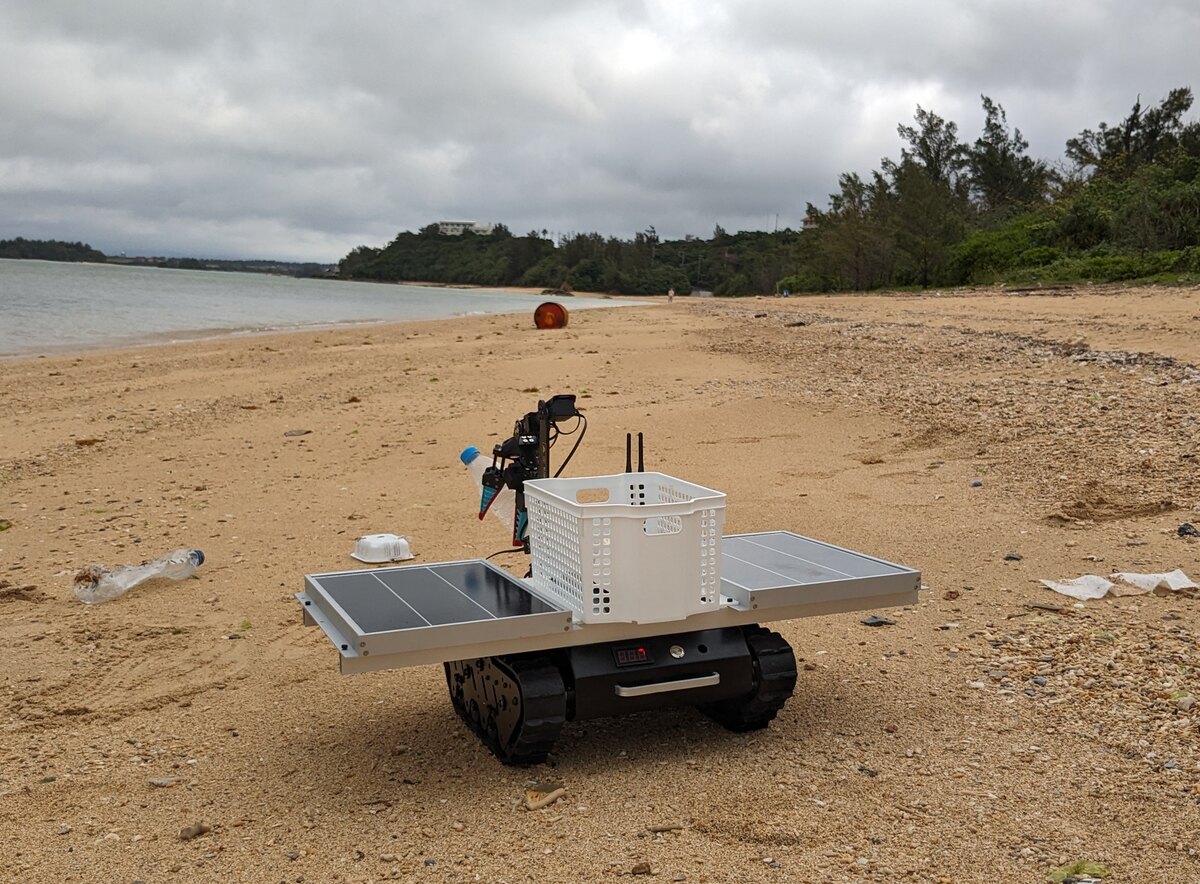
Public reference context includes smartphone robot CAD developed alongside KiCad PCB design, plus beach robot hardware docs covering wiring, interfaces, Jetson deployment concerns, and camera integration.
Typical scope output
AI Applications
Useful when a project needs vision, detection, or model-driven behavior that must run on-device or inside a broader robotic workflow.
Public reference context includes smartphone robot object detection and beach robot software connecting sensing, robotics workflows, and deployable machine behavior.
Typical scope output
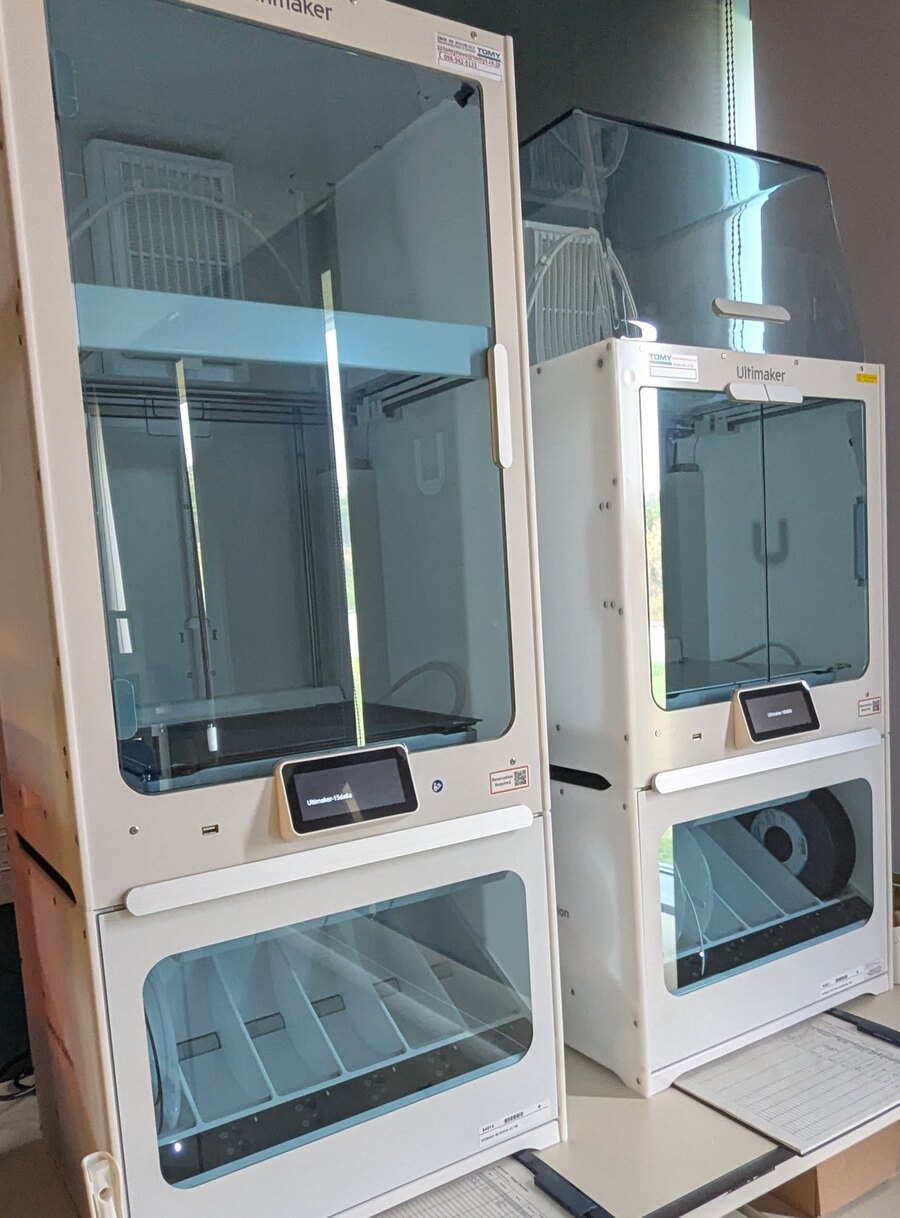
3D Design
Useful when parts need to fit real boards, sensors, docking geometry, or moving assemblies instead of existing as isolated CAD.
Public reference context includes smartphone robot body design developed in parallel with PCB layout, keeping the mechanical and electronic sides aligned.
Typical scope output
Selected Public References